Archives: Resources

  • Understanding Clean Sport

    Understanding Clean Sport

    Here is a high level guide to help you navigate your way to being an elite athlete.

    1. Strict Liability

    You are 100% responsible for any substance found in your system. It does not matter how it got there or who gave it to you; the athlete is held accountable for the contents of their own body.

    2. Verify Every Medication (Global DRO)

    Before taking any medication—whether prescription or over-the-counter—always check its status at GlobalDRO.com. Search by the drug name, your country, and your sport (Fencing) to see if it is prohibited.

    3. The “Food First” Approach

    Supplements (vitamins, protein powders, pre-workouts) are high-risk because they can be contaminated with banned substances. Focus on whole foods first. If you must use a supplement, ensure it is batch-tested by Informed Sport.

    4. Medical Transparency (TUEs)

    If you have a medical condition (like asthma or ADHD) that requires medication found on the prohibited list, you must apply for a Therapeutic Use Exemption (TUE) (your legal permission to use necessary medicine) when competing at a higher level.

    5. Rights of the Minor

    As a junior athlete, you have the right to have a representative (a parent or coach) present with you throughout the entire drug-testing process to ensure your rights are protected.

    The Simple Rule: If you aren’t 100% sure what it is, don’t put it in your body. When in doubt, consult your National Anti-Doping Organization.


  • NIJFS – Points Scoring System

    NIJFS – Points Scoring System

    NI Junior Foil Series – 2025/26 Season

    Points Scoring System


    Place    Points

    1           24 
    2           20
    3           17     
    4           15
    5           13
    6           12
    7           11
    8           10
    9            9
    10          8
    11          7
    12          6
    13          5
    14          4
    15          3
    16          2
    17          1
    etc         all subsequent placings 1 point

    Best 5 results from the 6 rounds contribute to final ranking scores.

    In the event of a points tie in the final ranking scores, the tied fencers (2 or more) will be separated as follows:

    • Tied fencers will be ordered according to the number of 1st place finishes in all 6 rounds
    • Rankings not decided by number of 1st places will then be determined by the number of 2nd place finishes in all 6 rounds
    • Rankings not decided by number of 2nd places will then be determined by the number of 3rd place finishes in all 6 rounds
    • …and so on until the tied places are decided.

    If the above processes are exhausted without separating the tied fencers then a tie will be declared. For example, if two fencers are tied for 1st place then both will be declared winners. The next fencer will be awarded 3rd place. If two fencers are tied for 2nd place then both will be declared joint 2nd and no 3rd place would be awarded.

  • Sport NI Funding breakdown

    Sport NI Funding breakdown

    NI Fencing receives funding from Sport NI. This document shows the breakdown of how this funding is allocated for the 2025-2026 funding year.

  • Policies and Strategy

    Policies and Strategy

    NI Fencing is in the progress of updating its policy documents

    This document details the strategy and action of NI Fencing Ltd. under the Sport NI ‘Sporting Clubs’ funding programme

    The following documents outline the main policies and procedures applicable to NI Fencing Ltd. under their Governing Body – British Fencing.

    Suggestions for documents to be added to this page can be made Fergus Wilson

  • Safeguarding

    Safeguarding

    Safeguarding/Reporting A Concern

    At Northern Ireland Fencing we believe that the welfare of children and adults at risk is everyone’s responsibility, particularly when it comes to protecting them from abuse.  Everyone in fencing – administrator, club official, coach, parent, friend, athlete, everyone – can help.

    If you have a safeguarding concern you MUST report it.

    Serious Concerns/Imminent Risk

    If you have a serious concern and/or you believe that a child or adult is at imminent risk then, in the first instance, you must contact the Police or Children/Adult Services in your area, then contact the British Fencing Equality and Safeguarding Manager on the emergency 24hr safeguarding number: 07526 003030

    If you are in doubt as to whether your concern is serious, contact NIF the Designated Safeguarding Officer (Orla Gardiner) for advice:  [email protected]

    If the NIF Designated Safeguarding Officer and British Fencing Equality and Safeguarding Manager are unavailable, call the NSPCC ([email protected]) who are available 24/7 for help, advice and support: 0808 800 5000

    All Other Concerns

    If there is no immediate risk, you can report the concern in the following ways:
    1. If the concern arises during an event, you should contact the designated event welfare officer
    2. If the concern relates to an affiliated club activity, you should contact the club welfare officer
    3. If none of the above apply or you are not comfortable speaking to the nominated welfare officers, please contact the Designated Safeguarding Officer (Orla Gardiner) – [email protected] .

    Finally, please remember NIF will support anyone who, in good faith, reports his or her concerns that a child is at risk of, or may actually be, being abused.

    Safeguarding/Designated Safeguarding Officer

    The Designated Safeguarding Officer (DSO) for Northern Ireland Fencing is Orla Gardiner – [email protected]

    If you prefer to speak to someone directly, you can contact the British Fencing Equality and Safeguarding Manager on 07526 003030

  • Anti-Doping

    Anti-Doping

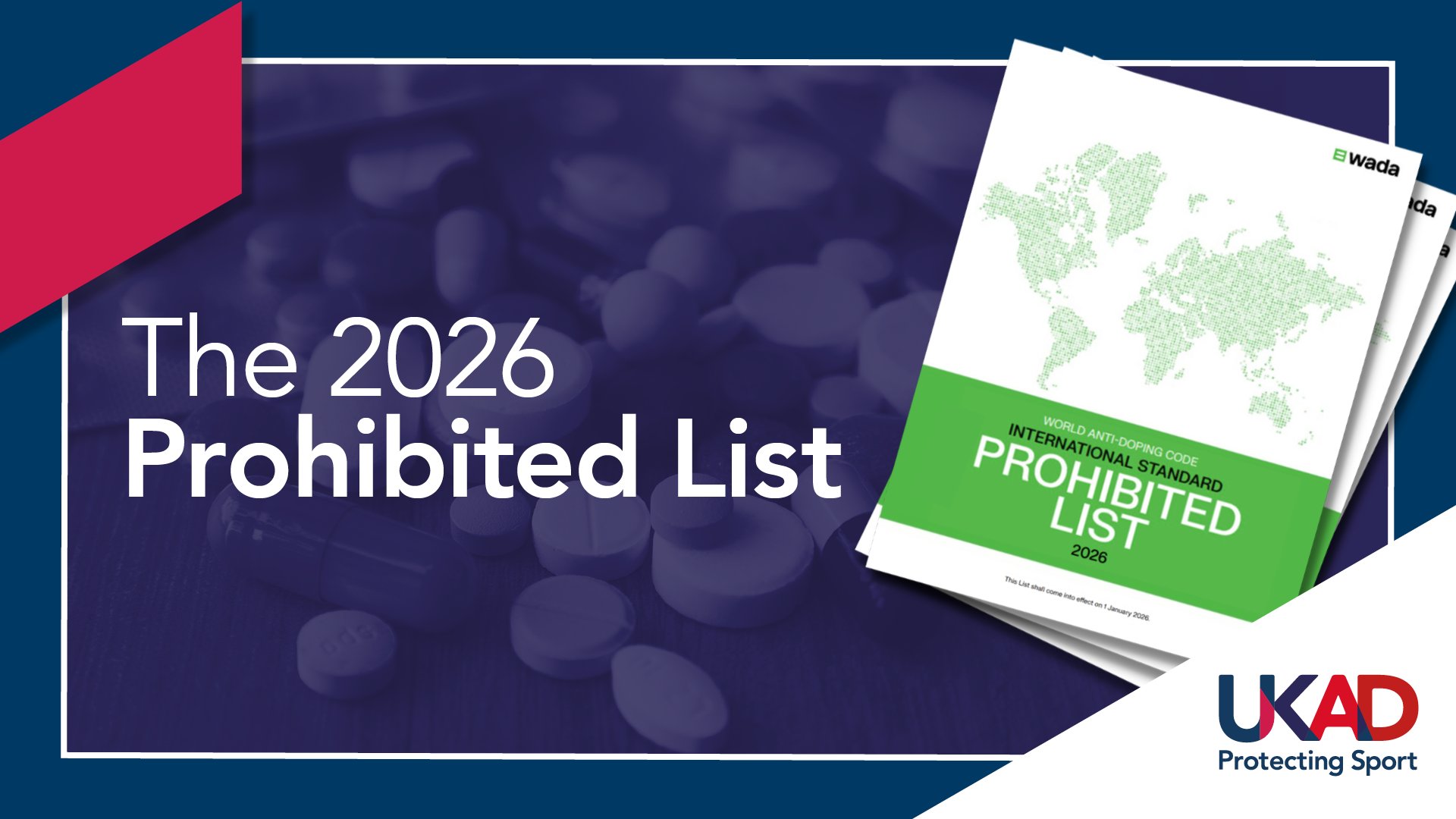
    New 2026 Prohibited List!

    WADA’s 2026 Prohibited List came into effect on 1 January 2026

    Athletes should check the anti-doping status of their medications regularly, this includes every time they are prescribed a new medication, whenever their medication changes, and at the start of each year when The Prohibited List comes into effect.

    Anti-Doping Information from NI Fencing

    Our Role

    At NI Fencing, we are committed to promoting fair and clean sport. We collaborate closely with UK Anti-Doping (UKAD) and Sport Ireland Anti-Doping, both of which follow the World Anti-Doping Agency (WADA) regulations.

    Karen Armitage serves as the Anti-Doping Lead for NI Fencing. If you have questions or concerns about anti-doping, please feel free to contact her.

    To help athletes, coaches, and parents be well-informed, we provide access to anti-doping workshops led by Sport NI. These sessions cover key topics on doping in sports and compliance with WADA regulations. Check for upcoming events here.

    Your Role as an Athlete

    All athletes must understand how drugs may impact their competition performance and eligibility and ensure they comply with WADA anti-doping rules.

    • Senior Competitors: Any fencer competing at european or international events must have completed anti-doping training within two years of the competition and obtain a Therapeutic Use Exemption (TUE) if required (e.g. for prescribed inhalers).
    • Junior Competitors: Younger fencers and their parents are strongly encouraged to attend educational workshops to understand anti-doping regulations.

    Important Reminder: Some prescribed medications and over-the-counter treatments may contain prohibited substances. Always check using the Global Drug Reference Online (GlobalDRO) to ensure you stay within the rules.

    Resources for Athletes and Parents

    If you plan to complete online training instead of attending an in-person event, please inform Karen Armitage.

    By staying informed and proactive, we can all help maintain the integrity of fencing and sport as a whole.